Studio Monitor Calibration: Establish a Repeatable Listening System
Build a reliable studio listening routine through channel matching, sensible monitor placement, reference levels, room measurements and repeatable playback comparisons.
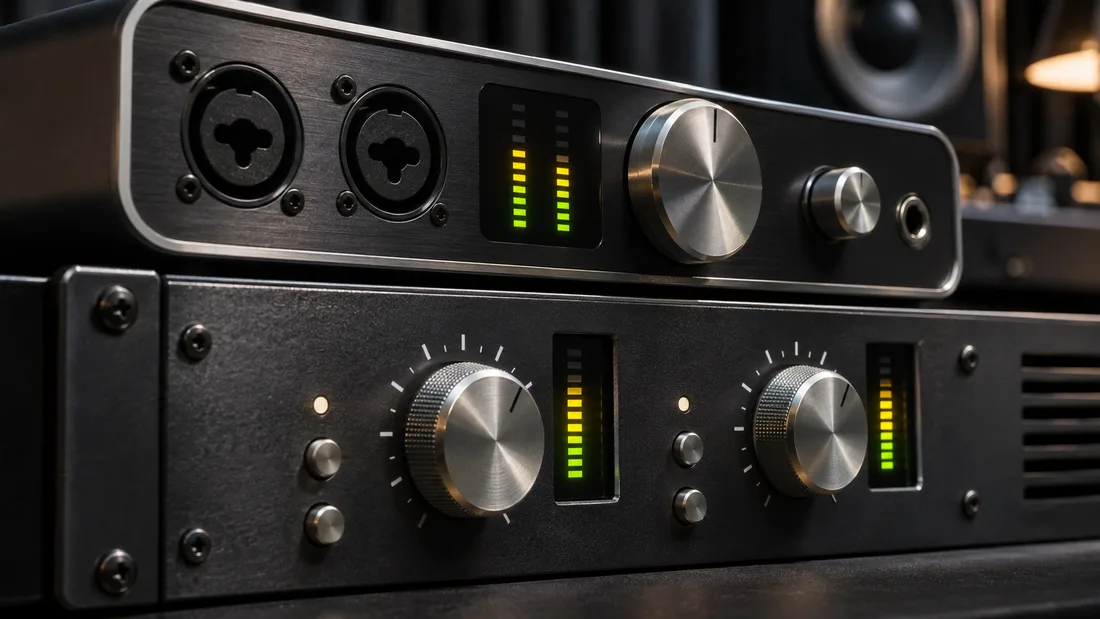
Recording techniques, interfaces, acoustic treatment and the daily decisions that make studio sessions work.
10 articles. Newest archive editions first.

Build a reliable studio listening routine through channel matching, sensible monitor placement, reference levels, room measurements and repeatable playback comparisons.

Understand recording headroom, meter readings and the different consequences of overload in analog, fixed-point and floating-point audio paths.

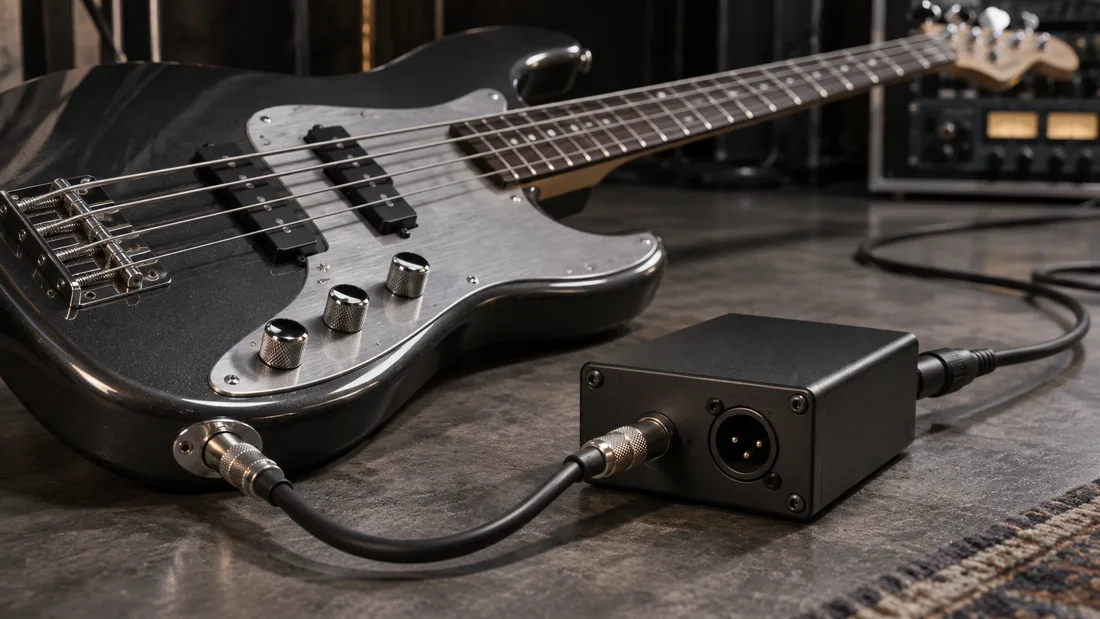
Learn how to capture an electrically suitable direct guitar or bass signal, preserve amplifier options and blend or reamp tracks without introducing unnecessary noise.

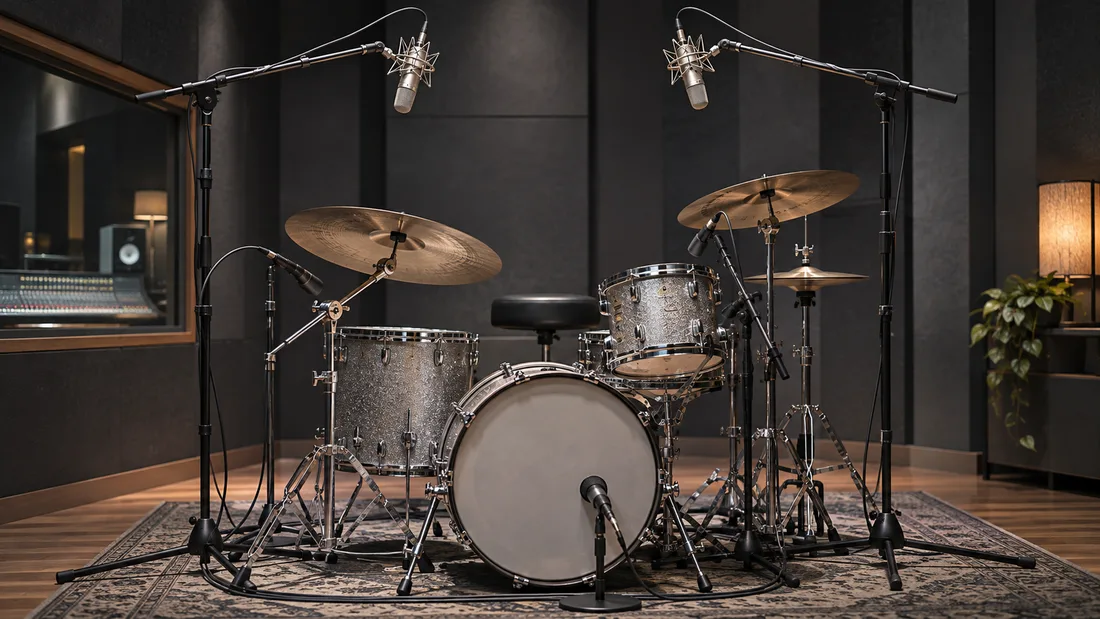
Develop a coherent drum recording with tuned instruments, overhead microphones, selective close miking, sensible room capture and checks for phase relationships.

Understand why delayed monitoring occurs, how buffer sizes and sample rates affect responsiveness, and which monitoring route makes sense for a recording session.

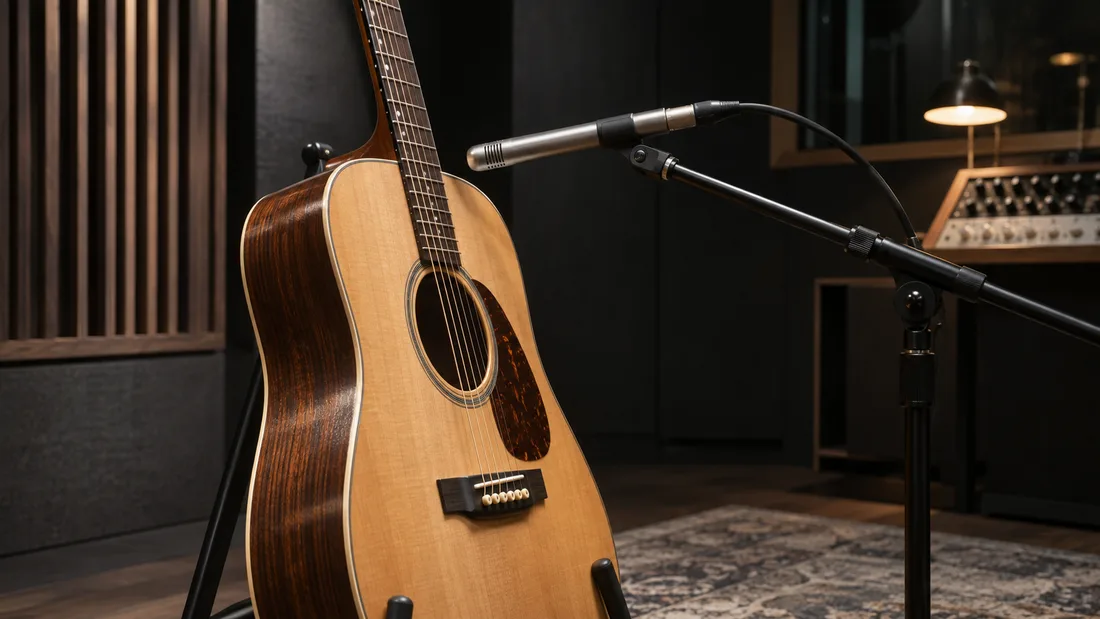
Capture a balanced acoustic guitar with practical microphone placement, instrument preparation, stereo recording advice and careful phase checks.

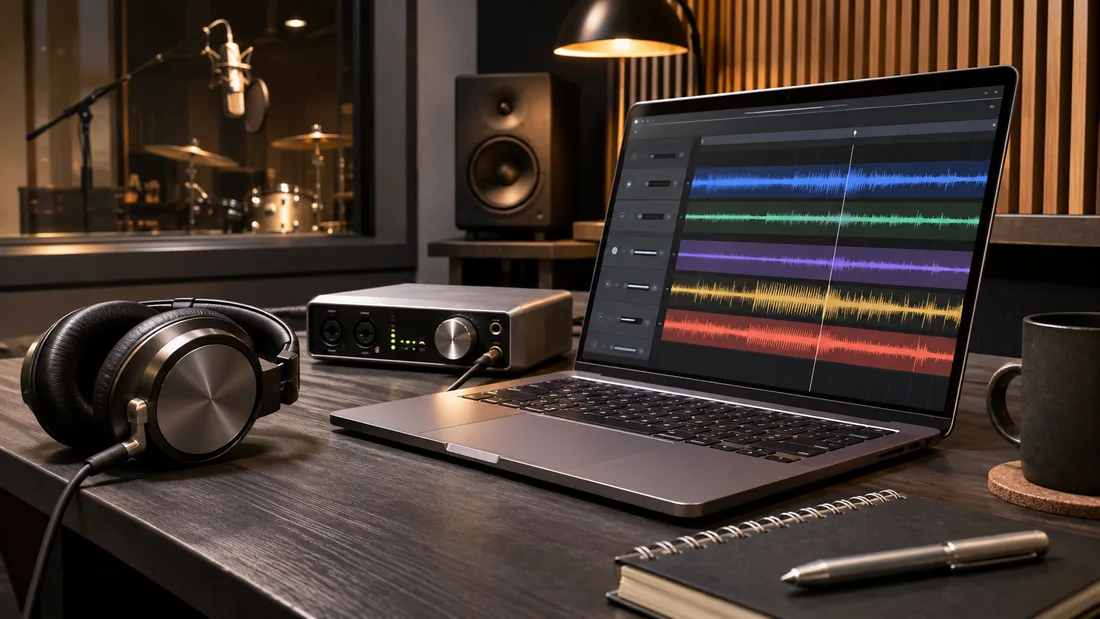
Keep remote multitrack recording sessions organized with a shared reference mix, consistent project settings, file names, delivery formats and backup practices.

Create a comfortable and technically reliable home vocal session with practical advice on microphone distance, monitoring, levels, takes and editing.

Plan acoustic treatment for a compact studio by understanding reflections, bass modes, absorber placement and the difference between treatment and sound isolation.

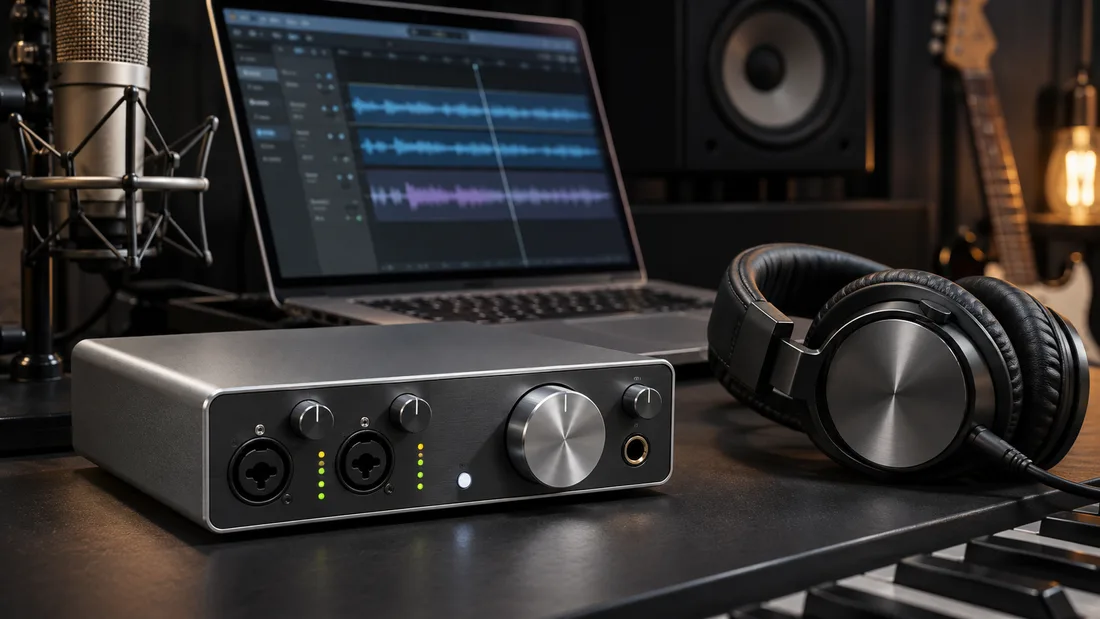
Understand the individual stages of a studio recording system, from microphone and preamplifier through conversion, monitoring and the digital audio workstation.