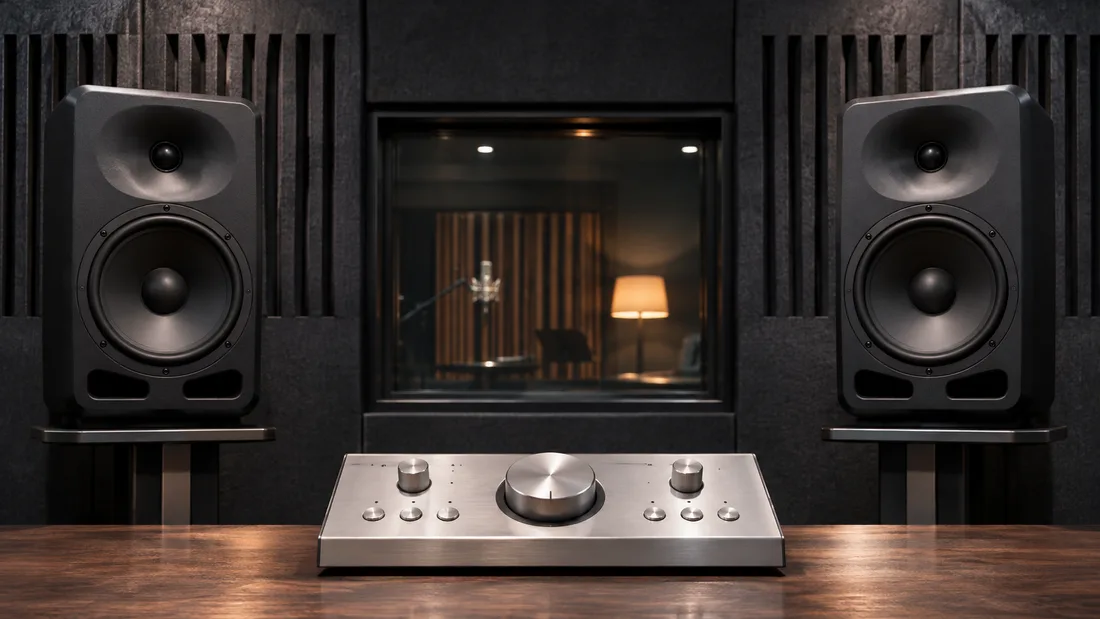
Studio Monitor Calibration: Establish a Repeatable Listening System
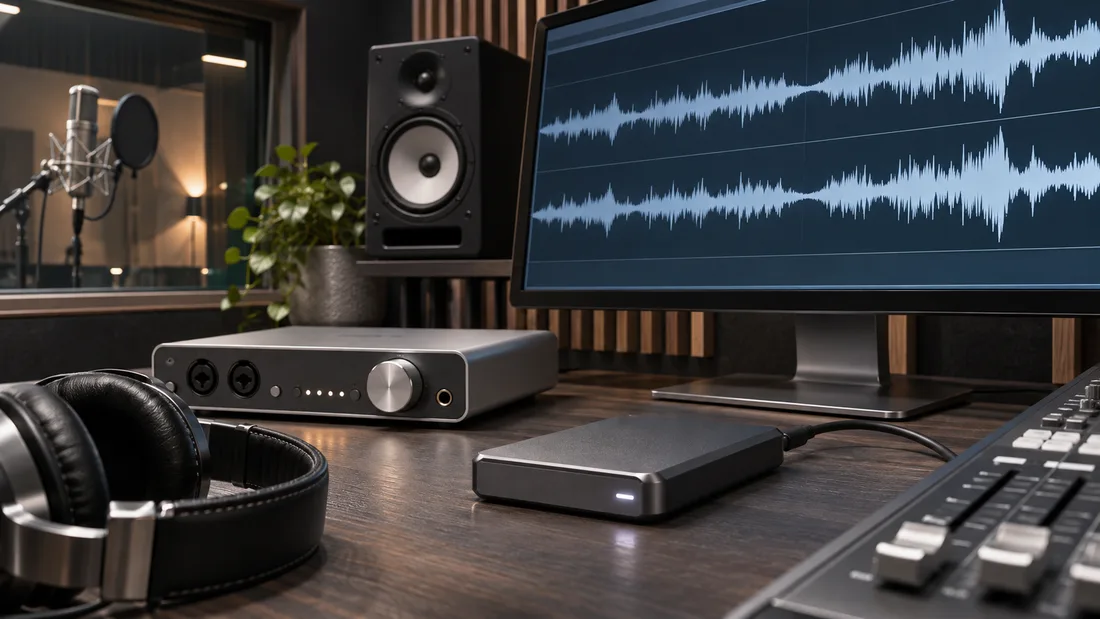
Build a reliable studio listening routine through channel matching, sensible monitor placement, reference levels, room measurements and repeatable playback comparisons.
Independent audio journal
A closer look at the equipment, techniques and software behind recorded sound. Explore listening systems, studio craft and new approaches to audio technology.
Explore the archivePractical guides and detailed perspectives on working with sound.

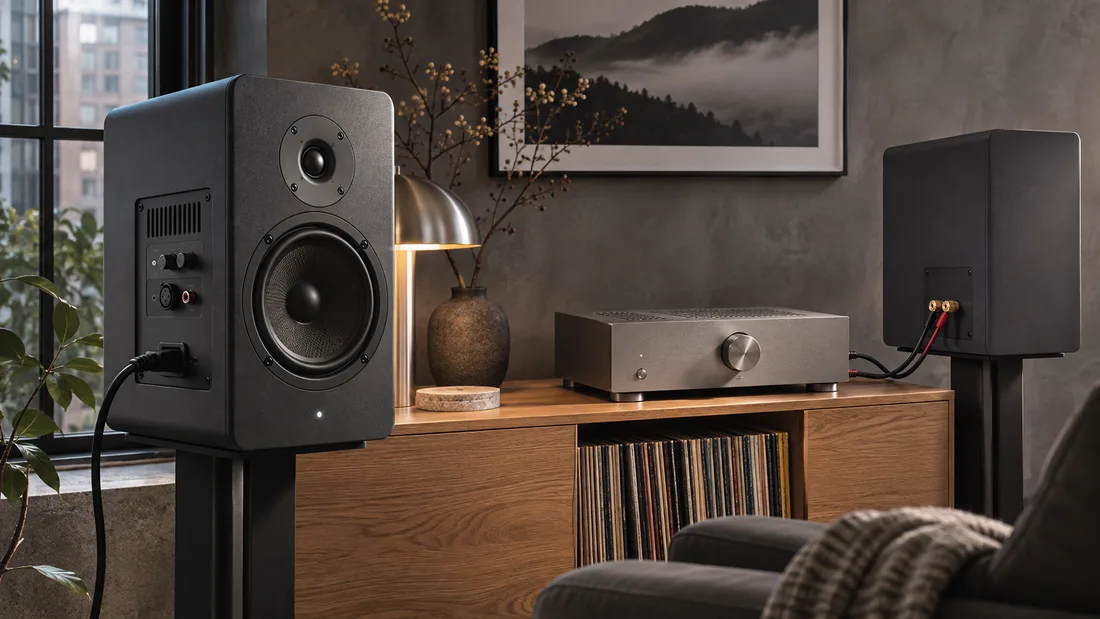
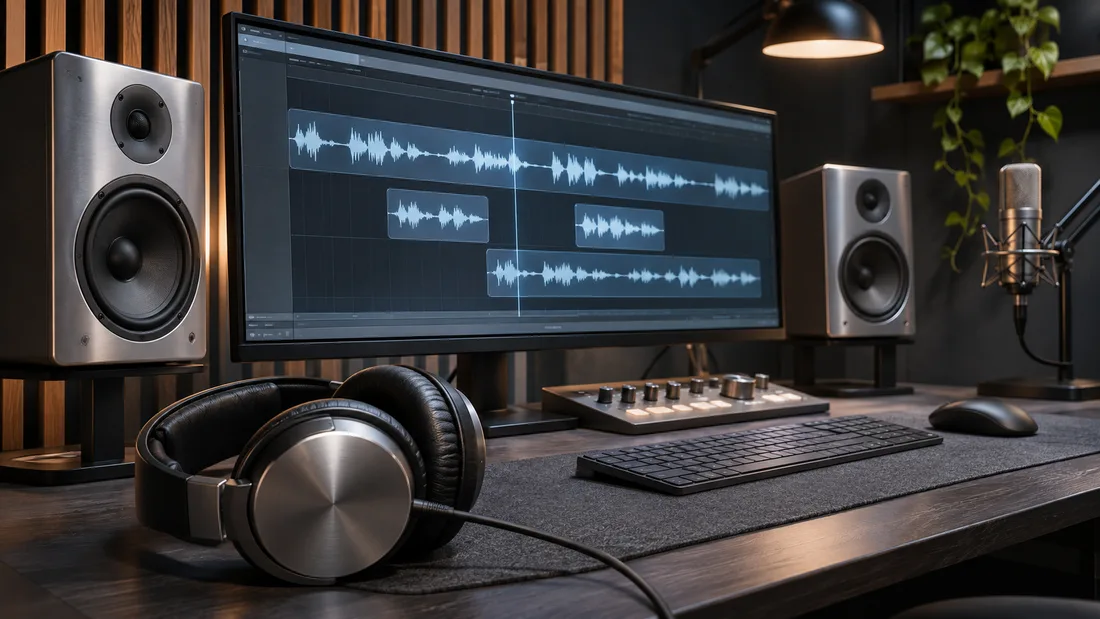
Build a reliable studio listening routine through channel matching, sensible monitor placement, reference levels, room measurements and repeatable playback comparisons.
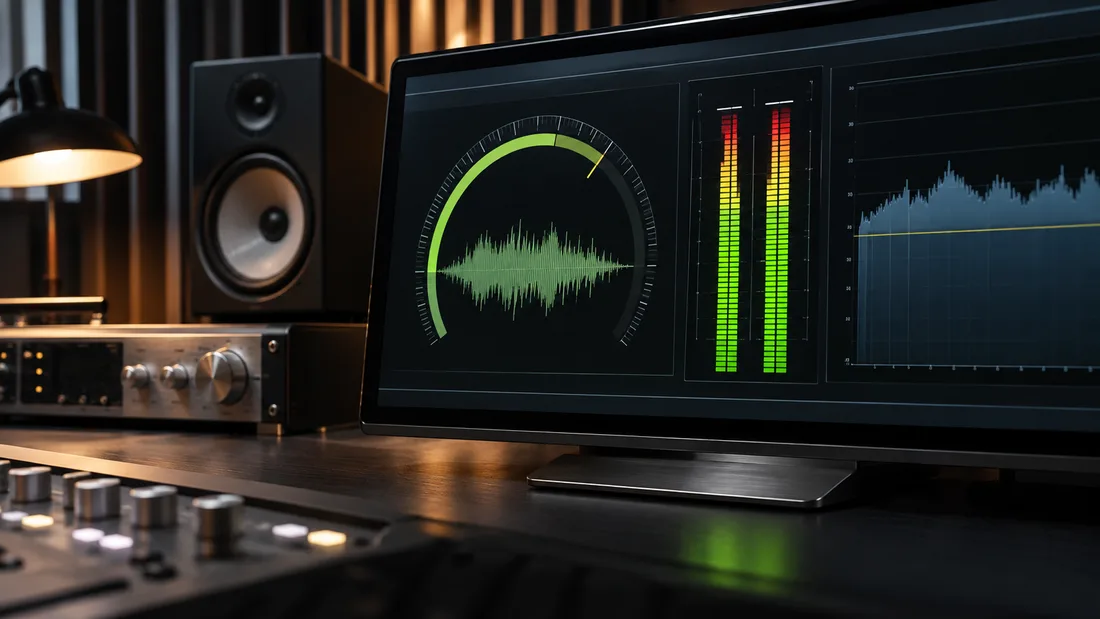
Learn what a measurement microphone and careful interpretation of sweeps can reveal about bass response, reflection behaviour and stereo balance.

Learn the distinctions between sample peaks, true peaks, RMS and integrated loudness, and apply them to reliable audio preparation.

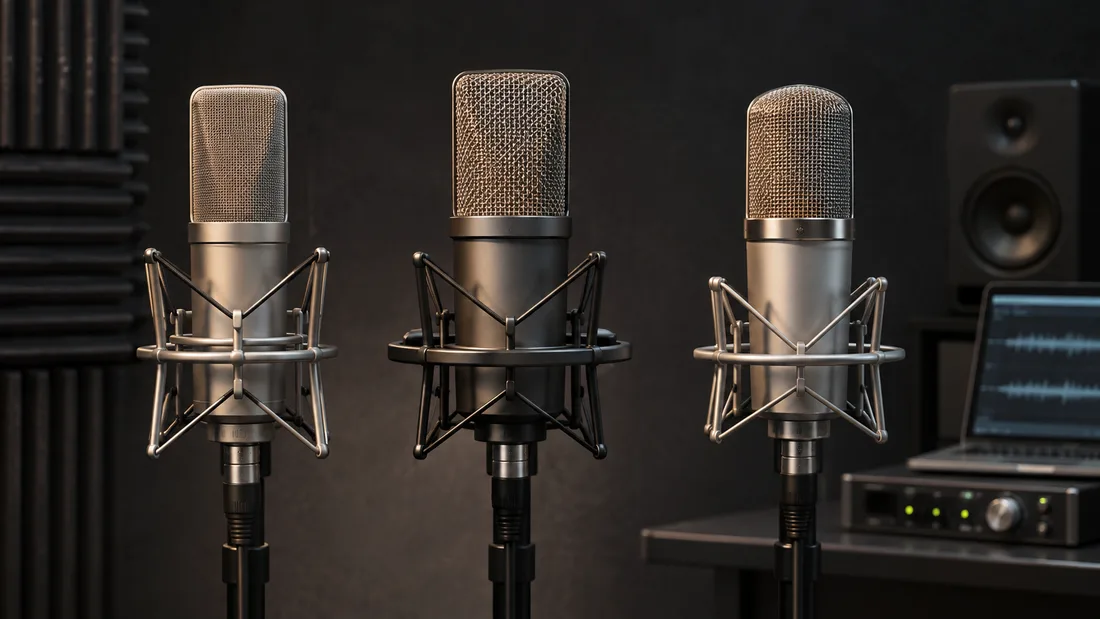
Set up a useful microphone comparison, interpret available specifications, match listening levels and assess the factors that matter in a working studio.

Build transparent editorial and production practices around synthetic speech, voice authorization, script review and accurate disclosure.

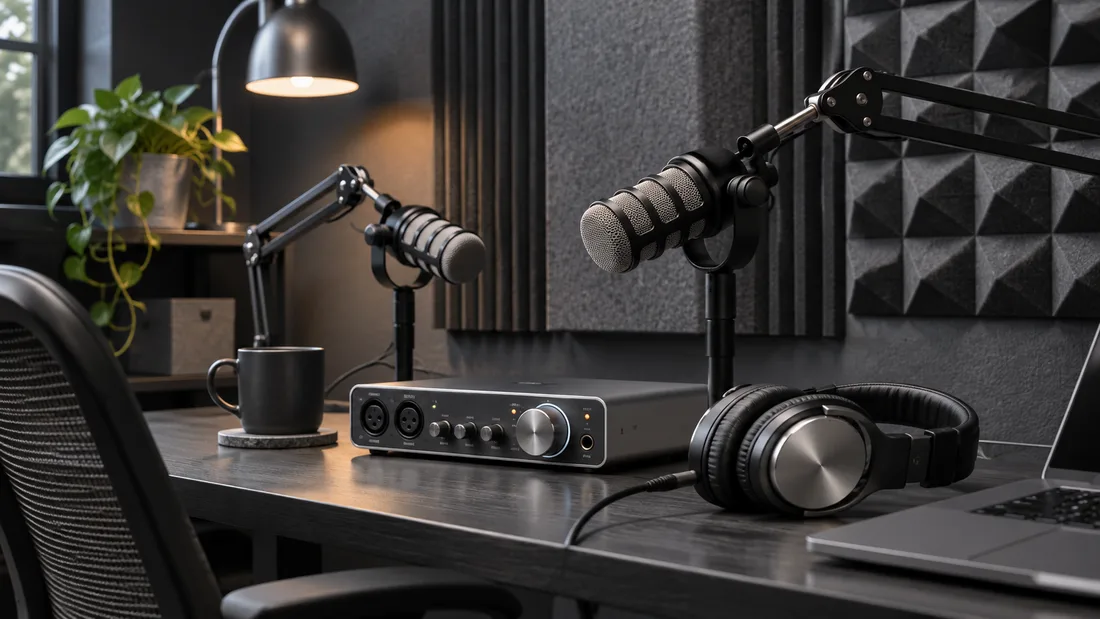
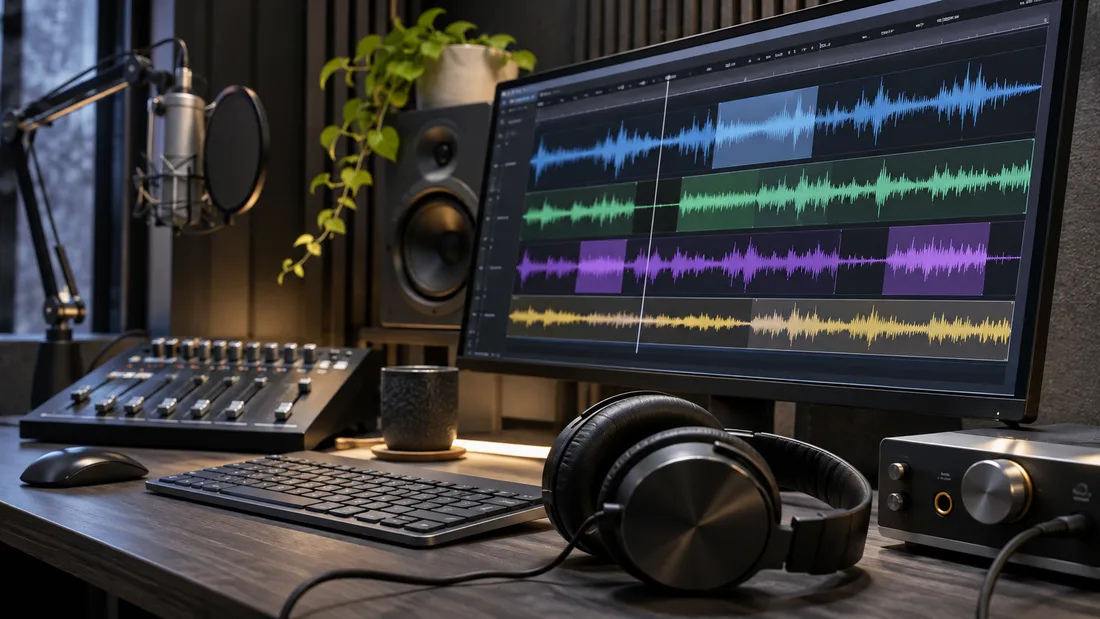
Plan a home podcast setup by comparing USB and XLR microphones, recording interfaces, headphones, stands, monitoring and practical upgrade paths.

Make sensible choices about PCM, lossless and lossy exports, bit depth, sample rate, stems and session interchange.

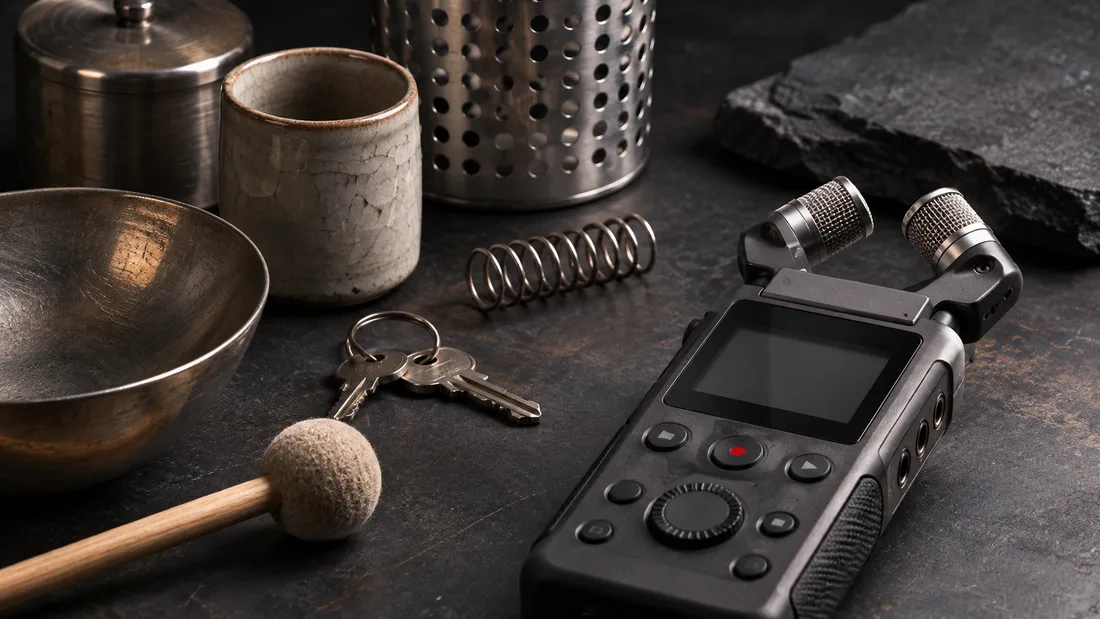
Capture useful source material, organize sonic experiments and reshape recordings through layering, pitch, filtering and spatial processing.

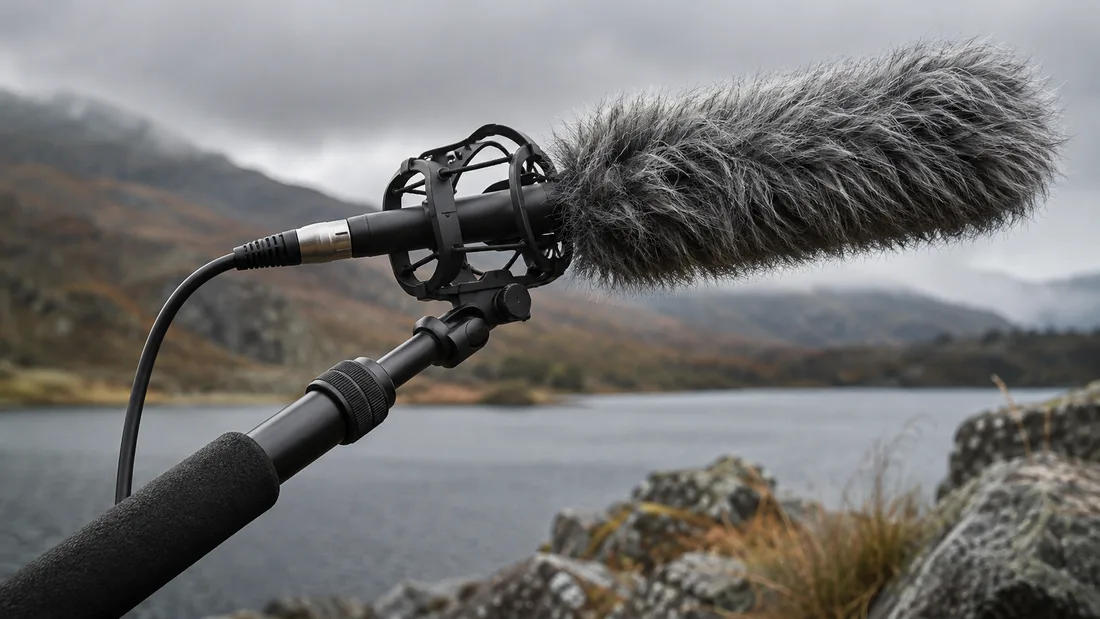
Learn what interference tubes do and how to position a shotgun microphone for interviews, location dialogue and outdoor recording with sensible wind protection.
Seven areas of audio, from the listening room to the recording studio.

Microphone design
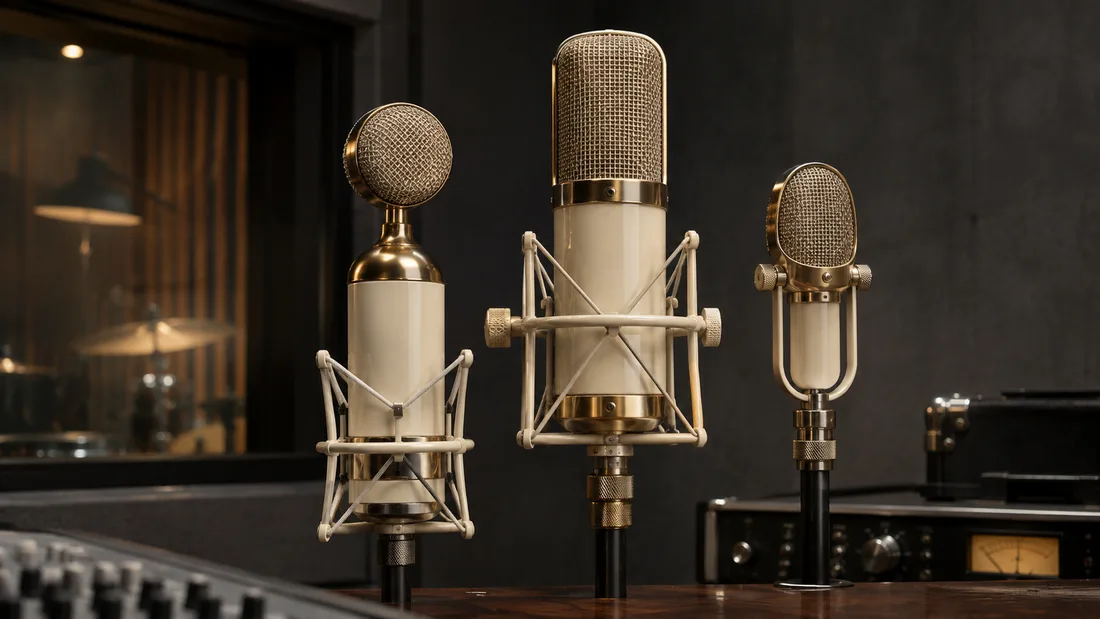
The story of Soyuz Microphones, from Tula's manufacturing heritage to the 017, 023 Bomblet and compact 1973 condensers.
Read the article
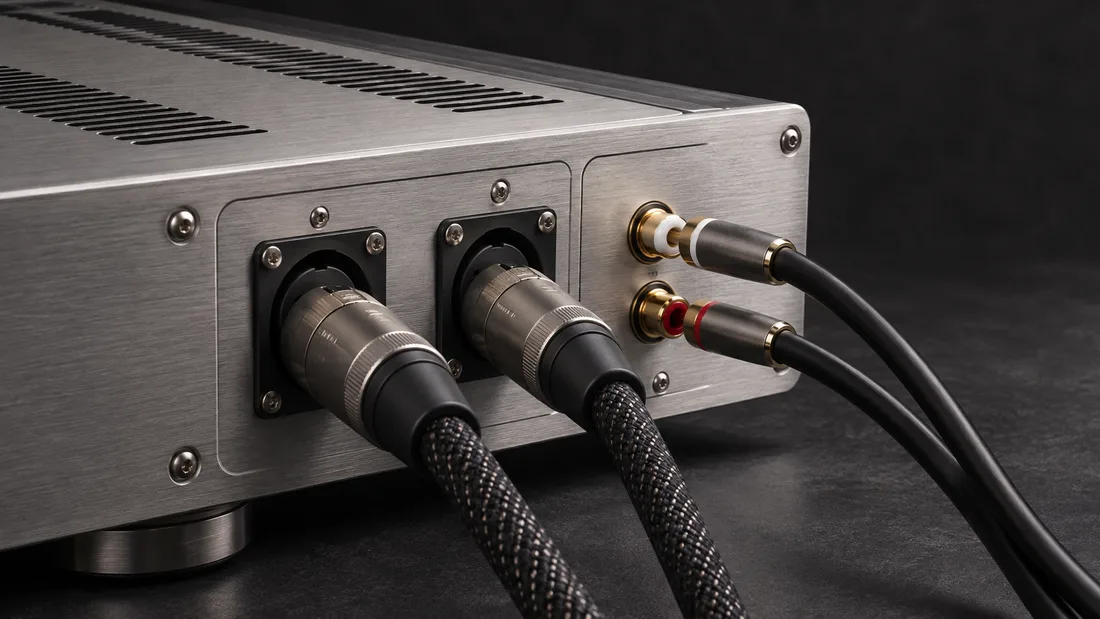
Understand balanced and unbalanced line connections, interference rejection, connector conventions, ground loops and their role in domestic hi-fi.

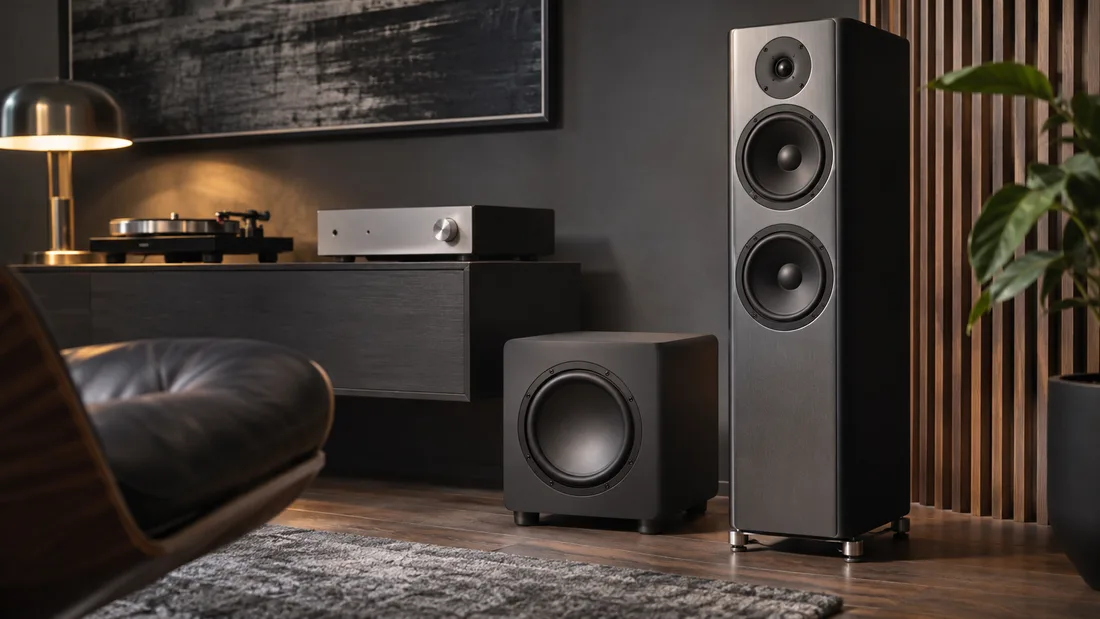
A step-by-step approach to adding a subwoofer to stereo speakers, choosing crossover points and balancing placement, phase and room modes.

Compare traditional passive hi-fi systems with active stereo speakers, focusing on crossover design, amplification, connection options and long-term ownership.

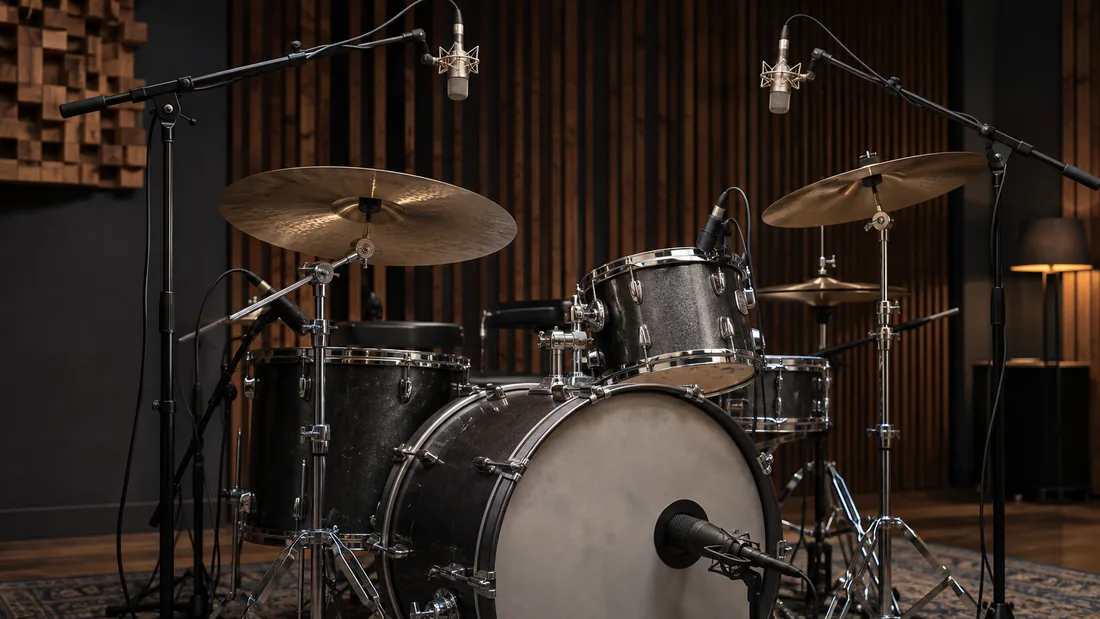
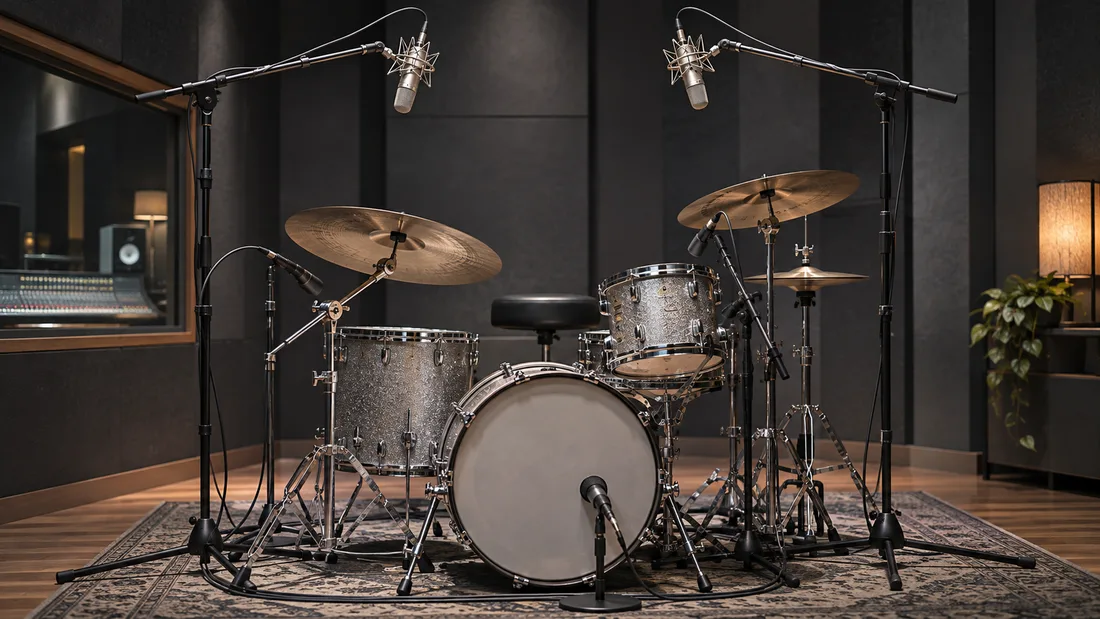
Build a coherent drum recording using overheads, kick and snare microphones, then decide which close and room microphones actually improve the mix.

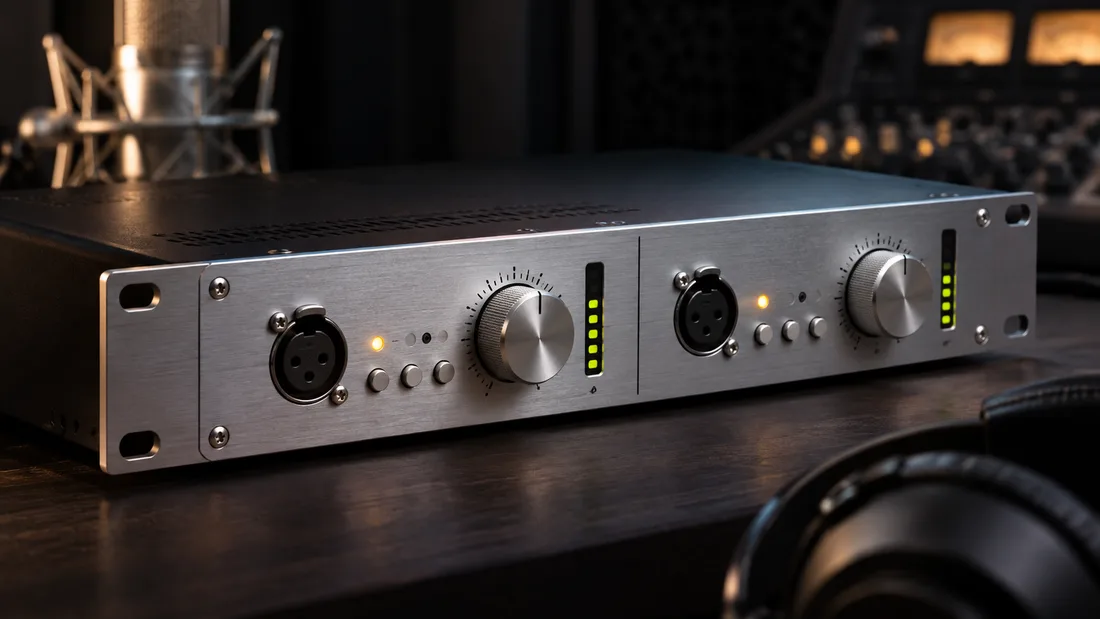
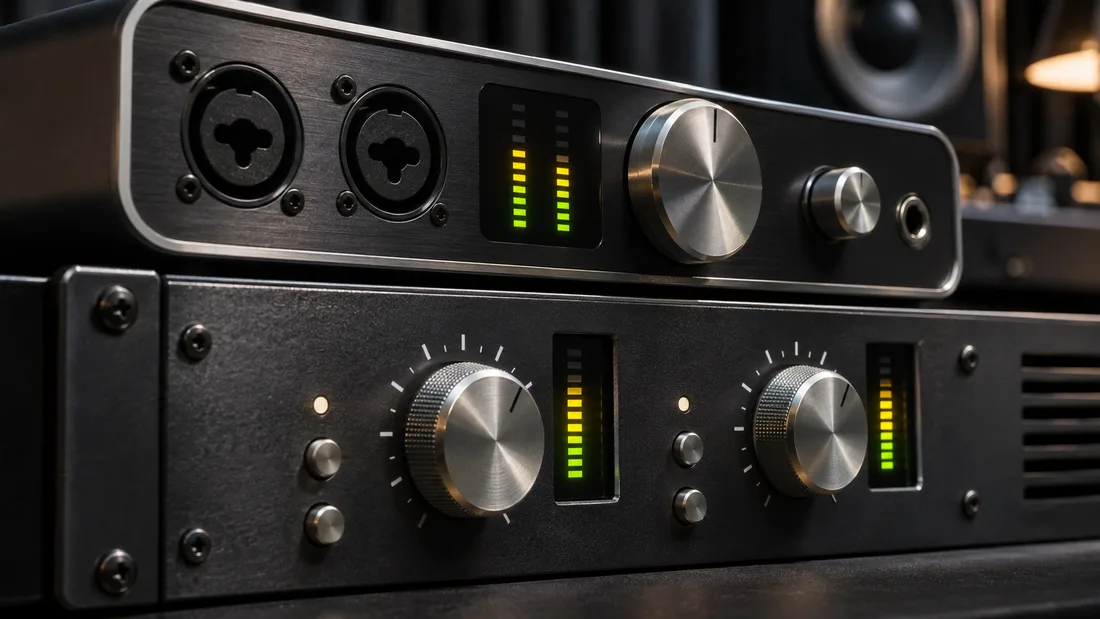
Understand preamplifier requirements, source sensitivity, input noise, gain staging and line-level connections for modern recording systems.

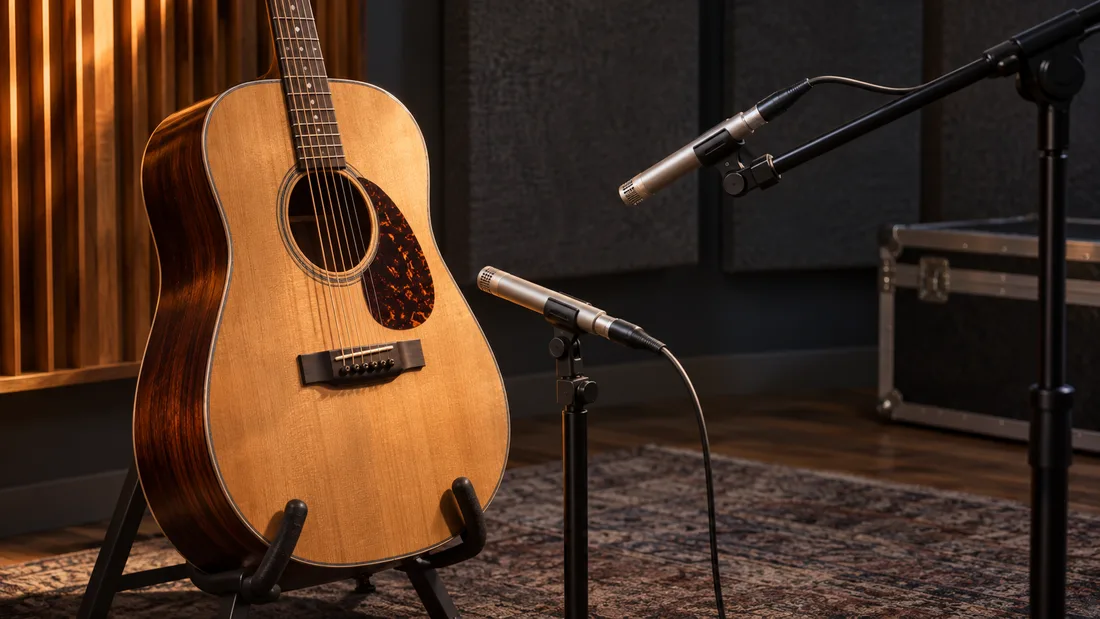
Explore mono and stereo microphone positions for acoustic guitars, taking account of body resonances, string detail and phase relationships.

Understand recording headroom, meter readings and the different consequences of overload in analog, fixed-point and floating-point audio paths.

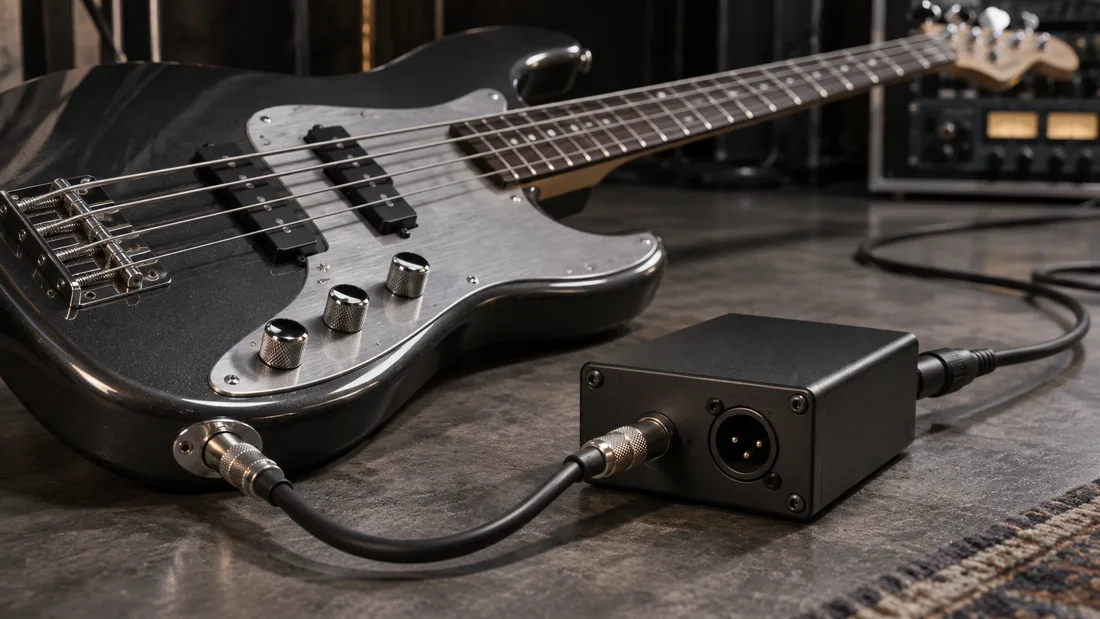
Learn how to capture an electrically suitable direct guitar or bass signal, preserve amplifier options and blend or reamp tracks without introducing unnecessary noise.

Develop a coherent drum recording with tuned instruments, overhead microphones, selective close miking, sensible room capture and checks for phase relationships.

Repair audible distractions, select takes and make precise edits while retaining articulation, timing and believable room tone.

Make informed decisions about panning, stereo microphone relationships, mid-side processing and width while keeping the mix coherent across systems.

Plan a mastering session around reliable listening, modest tonal changes, delivery specifications, sequencing and quality control.

Understand podcast masters, MP3 and AAC delivery, mono and stereo choices, integrated loudness, peaks and media verification before release.

Organize episode briefs, recording sessions, edits, mix revisions, file naming and archiving for regular independent podcast production.

Learn decisions and techniques for editing interviews and narration, including rhythm, room tone, breaths, overlaps, repairs and final listening checks.

Build a reliable system for labeling, searching, auditioning and archiving audio samples, organized around production needs and licensing.

Explore synthesis, sampling, articulations and musical performance editing to build virtual instrument arrangements that retain expression.

Understand notes, velocity, controllers, quantization and synchronization while building practical MIDI-based music sessions.

Explore a practical workflow for producing, evaluating, editing and managing generated sound effects for creative audio projects.

Understand speaker change detection, diarization errors, isolated tracks and review strategies for interviews and roundtable recordings.

How automatic speech recognition turns recorded speech into searchable text, and where transcription still requires careful editing.