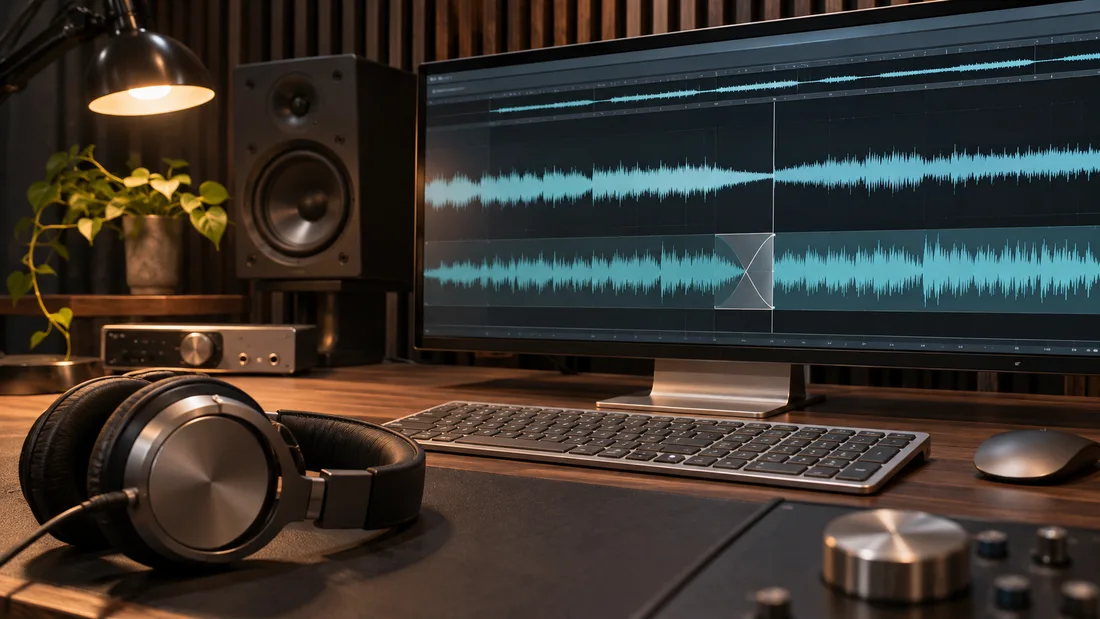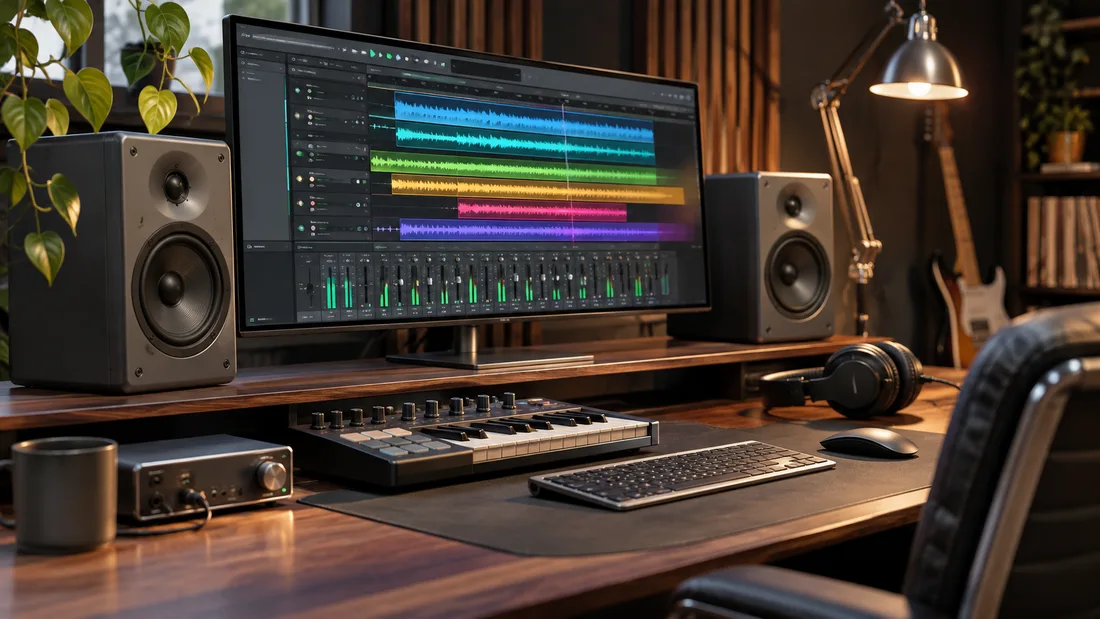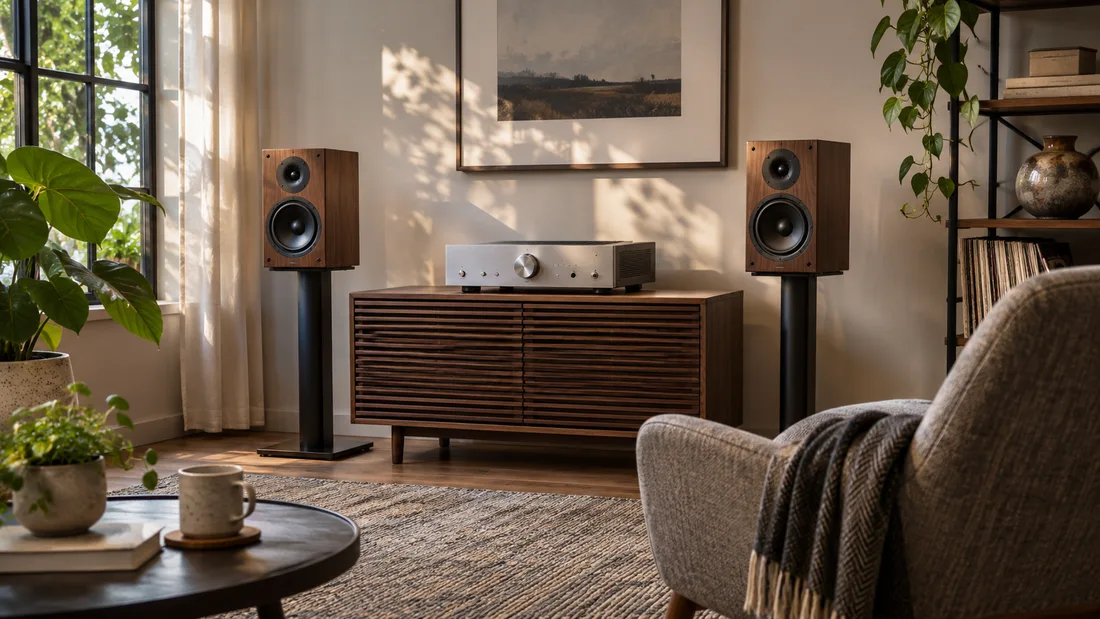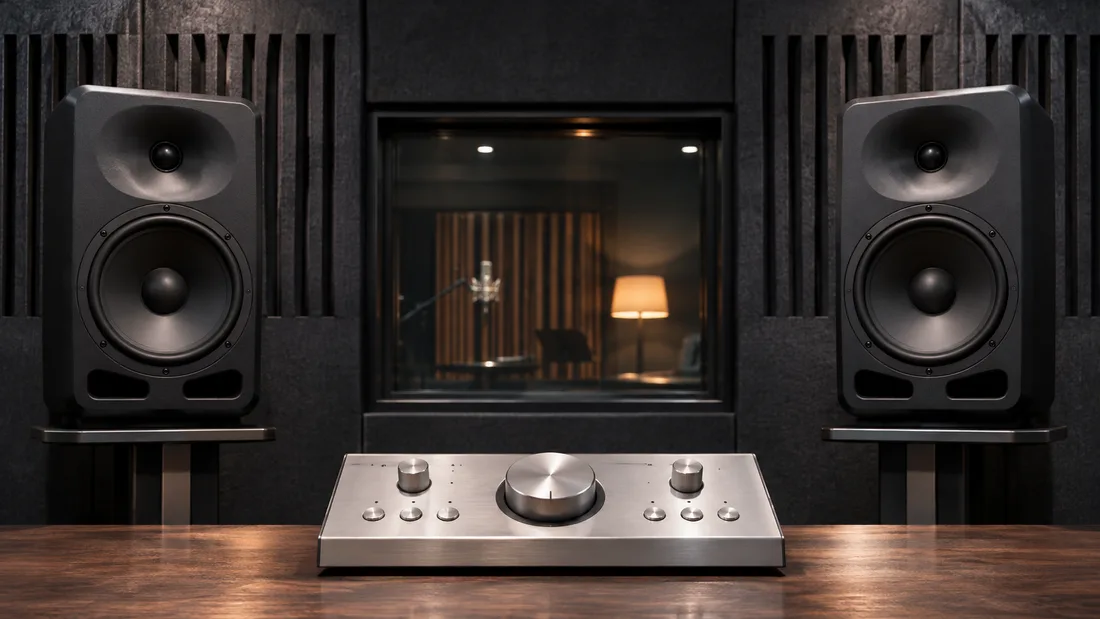
Studio Monitor Calibration: Establish a Repeatable Listening System
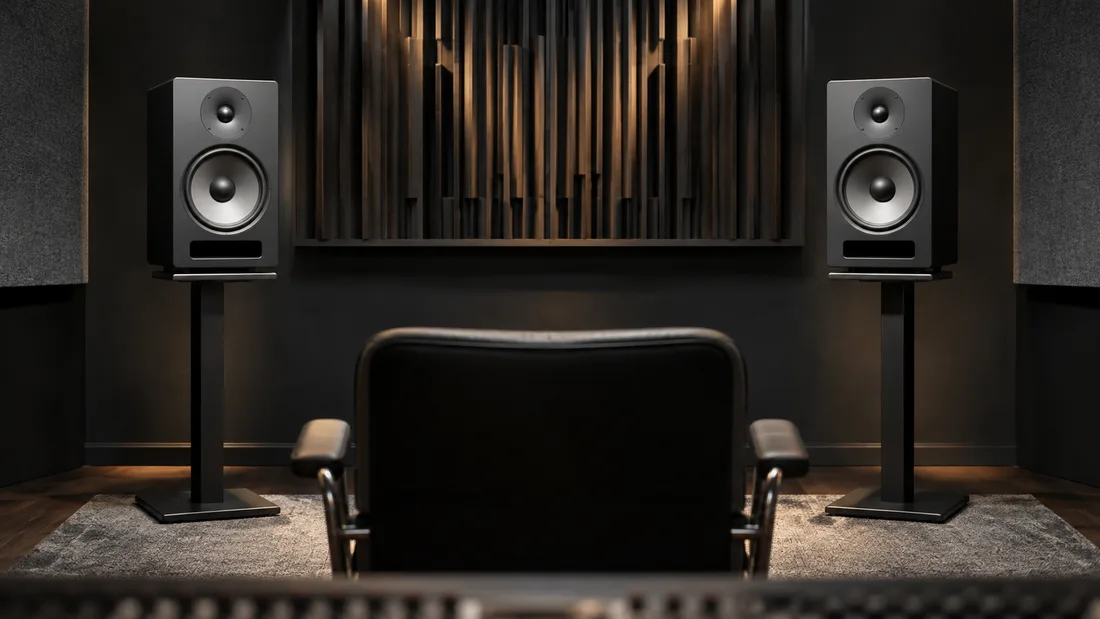
Build a reliable studio listening routine through channel matching, sensible monitor placement, reference levels, room measurements and repeatable playback comparisons.
Browse editorial archive editions from 2024 to 2026, covering audio equipment and recording technology.
No articles match your search.

Build a reliable studio listening routine through channel matching, sensible monitor placement, reference levels, room measurements and repeatable playback comparisons.

Learn what a measurement microphone and careful interpretation of sweeps can reveal about bass response, reflection behaviour and stereo balance.

Learn the distinctions between sample peaks, true peaks, RMS and integrated loudness, and apply them to reliable audio preparation.

Set up a useful microphone comparison, interpret available specifications, match listening levels and assess the factors that matter in a working studio.

Build transparent editorial and production practices around synthetic speech, voice authorization, script review and accurate disclosure.

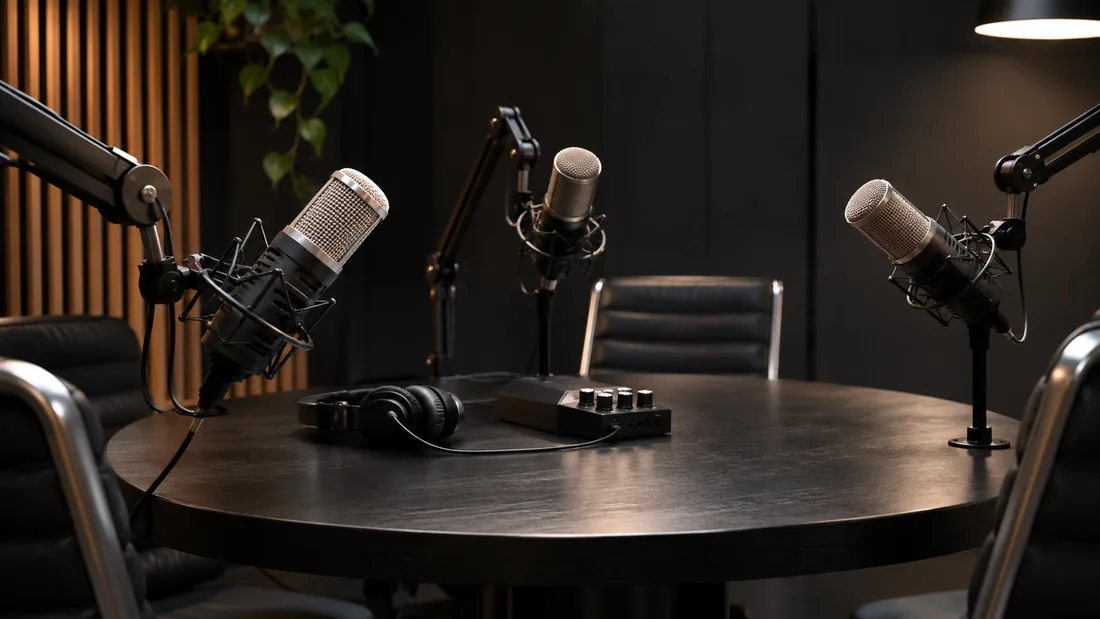
Plan a home podcast setup by comparing USB and XLR microphones, recording interfaces, headphones, stands, monitoring and practical upgrade paths.

Make sensible choices about PCM, lossless and lossy exports, bit depth, sample rate, stems and session interchange.

Capture useful source material, organize sonic experiments and reshape recordings through layering, pitch, filtering and spatial processing.

Learn what interference tubes do and how to position a shotgun microphone for interviews, location dialogue and outdoor recording with sensible wind protection.

Understand recording headroom, meter readings and the different consequences of overload in analog, fixed-point and floating-point audio paths.

Understand balanced and unbalanced line connections, interference rejection, connector conventions, ground loops and their role in domestic hi-fi.

Explore a practical workflow for producing, evaluating, editing and managing generated sound effects for creative audio projects.

Understand podcast masters, MP3 and AAC delivery, mono and stereo choices, integrated loudness, peaks and media verification before release.

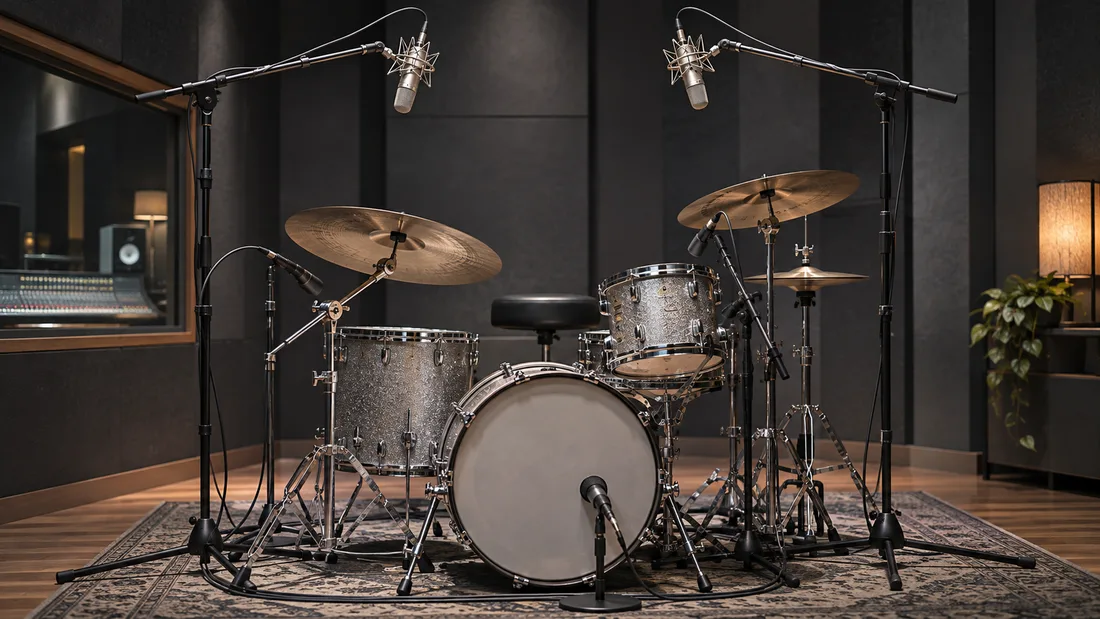
Build a coherent drum recording using overheads, kick and snare microphones, then decide which close and room microphones actually improve the mix.

Build a reliable system for labeling, searching, auditioning and archiving audio samples, organized around production needs and licensing.

A step-by-step approach to adding a subwoofer to stereo speakers, choosing crossover points and balancing placement, phase and room modes.

Learn how to capture an electrically suitable direct guitar or bass signal, preserve amplifier options and blend or reamp tracks without introducing unnecessary noise.

Repair audible distractions, select takes and make precise edits while retaining articulation, timing and believable room tone.

Make informed decisions about panning, stereo microphone relationships, mid-side processing and width while keeping the mix coherent across systems.

Understand speaker change detection, diarization errors, isolated tracks and review strategies for interviews and roundtable recordings.

Develop a coherent drum recording with tuned instruments, overhead microphones, selective close miking, sensible room capture and checks for phase relationships.

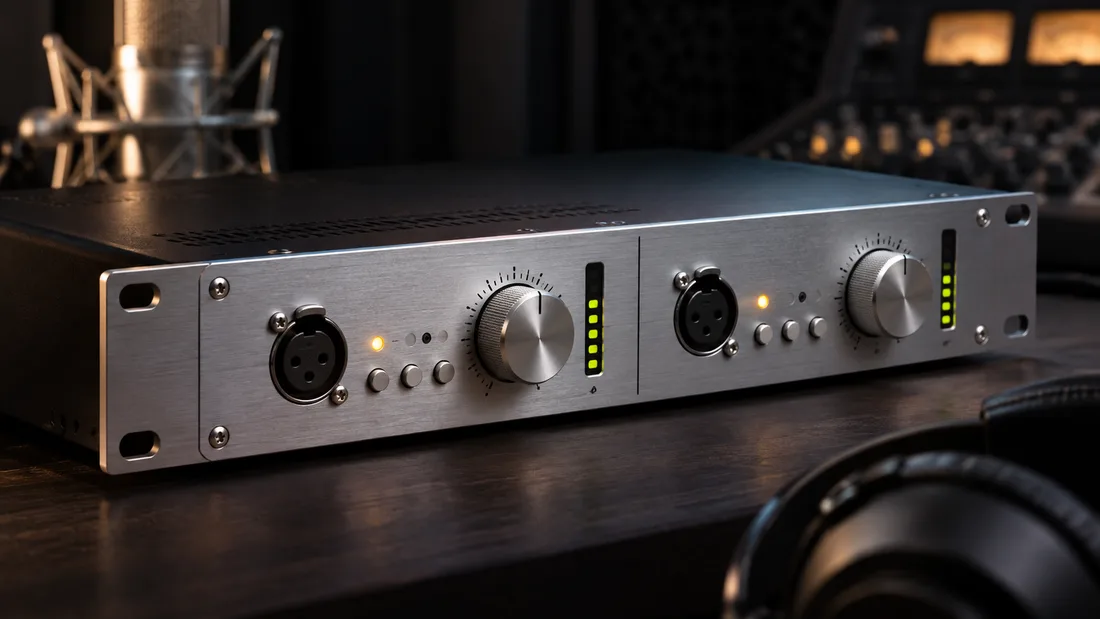
Understand preamplifier requirements, source sensitivity, input noise, gain staging and line-level connections for modern recording systems.

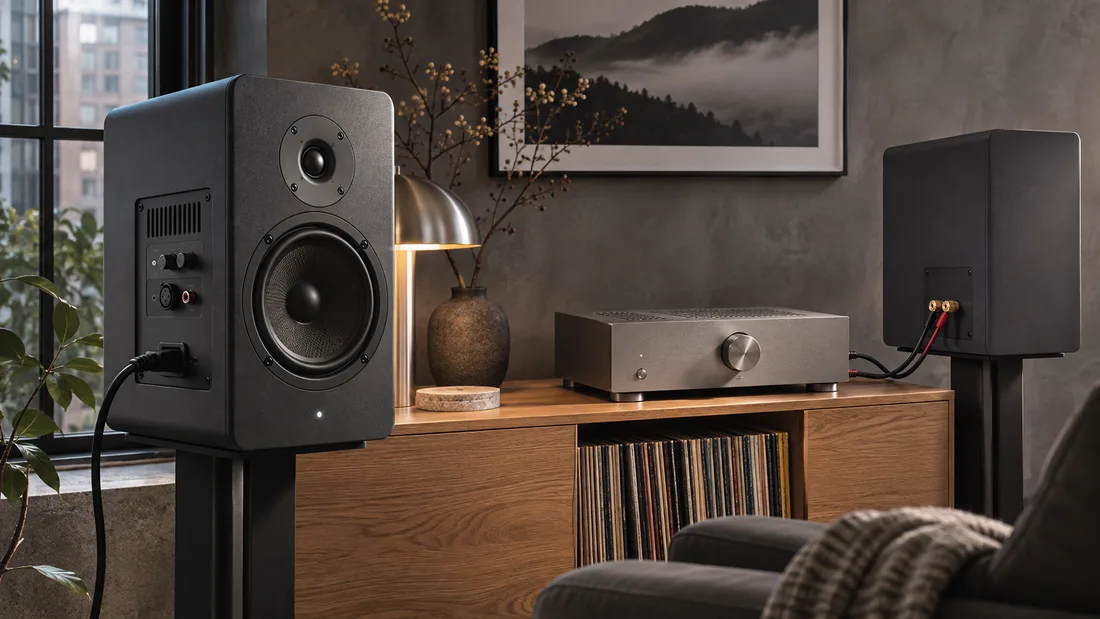
Compare traditional passive hi-fi systems with active stereo speakers, focusing on crossover design, amplification, connection options and long-term ownership.

Organize episode briefs, recording sessions, edits, mix revisions, file naming and archiving for regular independent podcast production.

How automatic speech recognition turns recorded speech into searchable text, and where transcription still requires careful editing.

Explore synthesis, sampling, articulations and musical performance editing to build virtual instrument arrangements that retain expression.

The story of Soyuz Microphones, from Tula's manufacturing heritage to the 017, 023 Bomblet and compact 1973 condensers.

Plan a mastering session around reliable listening, modest tonal changes, delivery specifications, sequencing and quality control.

Learn to interpret headphone amplifier output specifications, sensitivity and impedance so you can match equipment without buying unnecessary power.

Learn decisions and techniques for editing interviews and narration, including rhythm, room tone, breaths, overlaps, repairs and final listening checks.

Understand why delayed monitoring occurs, how buffer sizes and sample rates affect responsiveness, and which monitoring route makes sense for a recording session.

A technical but practical guide to lossless music files, streaming quality settings, mastering differences and playback signal paths.

Understand notes, velocity, controllers, quantization and synchronization while building practical MIDI-based music sessions.
A practical method for recording remote podcast guests with separate local files, reliable communication, synchronization and backup audio.

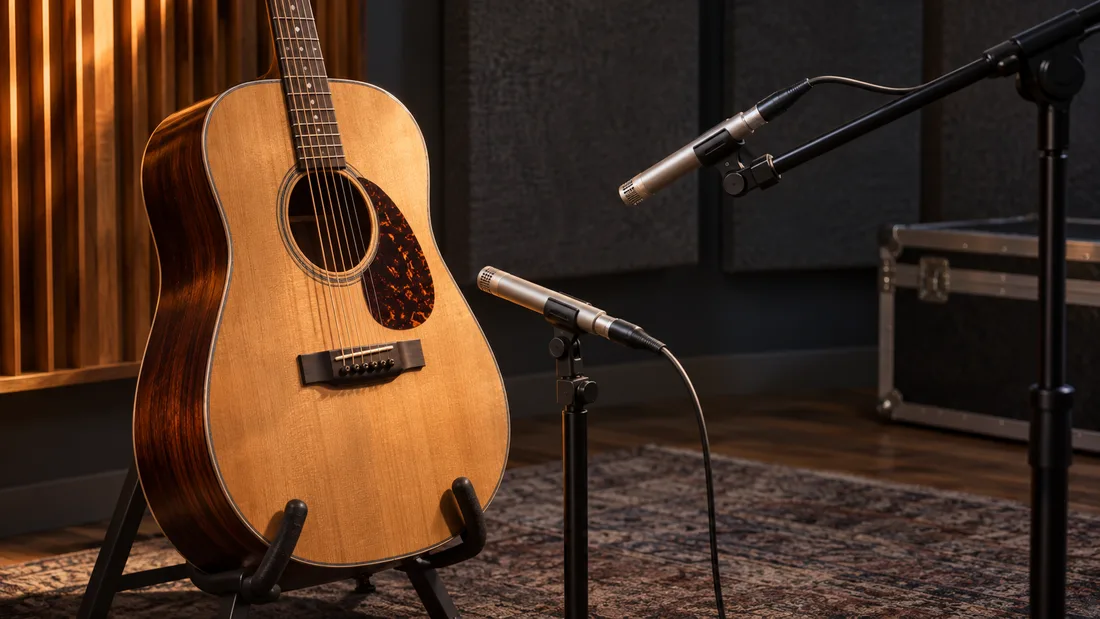
Capture a balanced acoustic guitar with practical microphone placement, instrument preparation, stereo recording advice and careful phase checks.

Explore mono and stereo microphone positions for acoustic guitars, taking account of body resonances, string detail and phase relationships.

Develop a clear mixing direction, establish useful balances, and solve arrangement conflicts before concentrating on individual track processing.

A practical approach to automated EQ, dynamics, balancing and mix suggestions without sacrificing the intended musical arrangement.

Plan vocal microphone height, angle, distance and room treatment, and keep takes consistent without flattening a singer's expressive movement.

Keep remote multitrack recording sessions organized with a shared reference mix, consistent project settings, file names, delivery formats and backup practices.

Learn how music source separation estimates vocals, bass, drums and accompaniment from a complete mix, and how to use the resulting stems responsibly.

An examination of DAC performance, output levels, digital interfaces and audible faults when deciding whether to upgrade a stereo system.

Build musical delay effects with deliberate timing, carefully managed feedback, filtering and automation in vocal and instrumental arrangements.

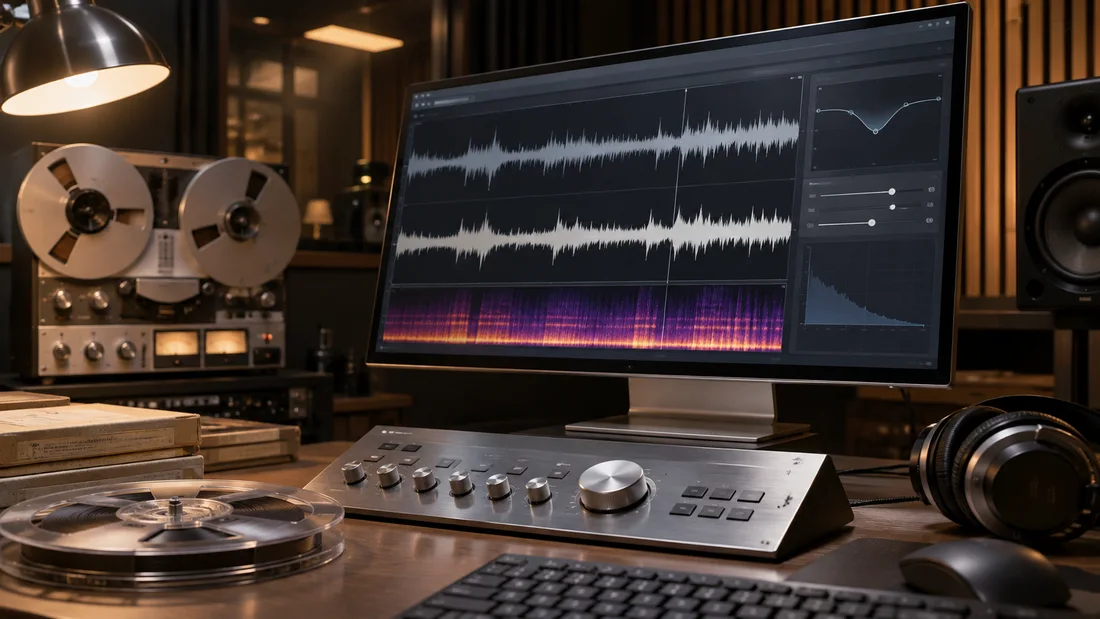
Identify hum, broadband noise, clipping and isolated faults before choosing suitable restoration tools for a compromised recording.

Identify reflections and noise in a podcast room and choose positioning, absorbers, furniture and monitoring that improve speech recordings.

Use directional microphone patterns to control room reflections, bleed, proximity effect and the relationship between performers.

A grounded walkthrough of turntable installation, cartridge adjustment, tracking force and matching a phono stage to a record player.

Explore early reflections, tails, pre-delay and frequency-dependent decay to create depth without sacrificing intelligibility.

Create a comfortable and technically reliable home vocal session with practical advice on microphone distance, monitoring, levels, takes and editing.

Develop an interview structure, prepare thoughtful questions and coordinate recording decisions while preserving a relaxed conversation.

Learn how spectrograms, mel frequency representations and embeddings let machine learning systems compare, classify and search audio.

Learn to select edit points, manage room tone, create crossfades and preserve natural timing across voice, music and multitrack recordings.

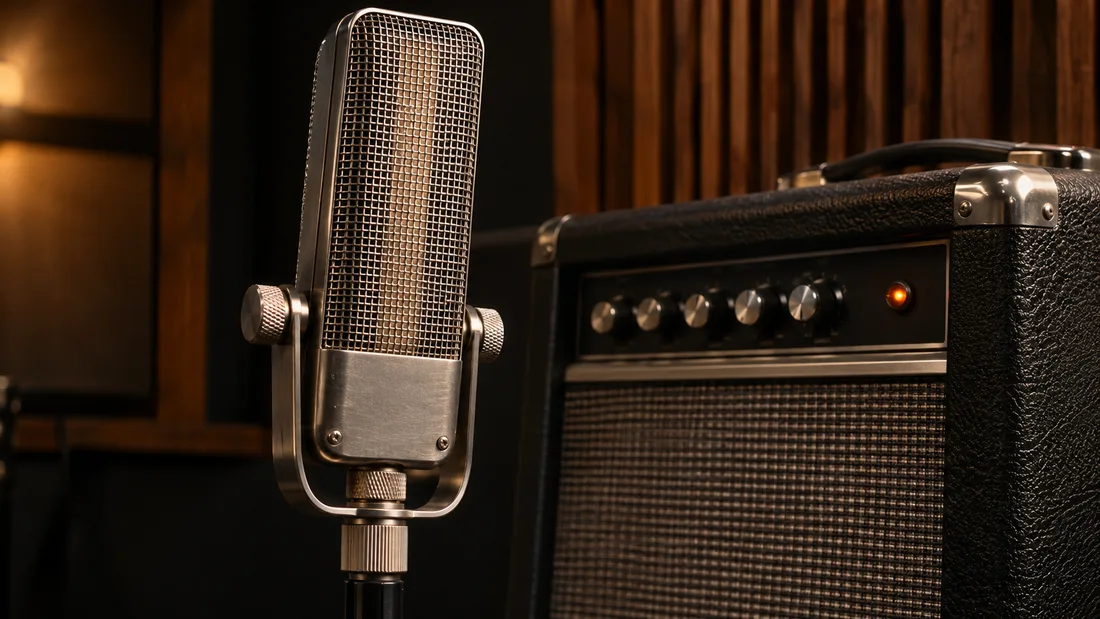
Explore ribbon microphone operation, figure-eight pickup, passive and active electronics, and practical placement for music sessions.
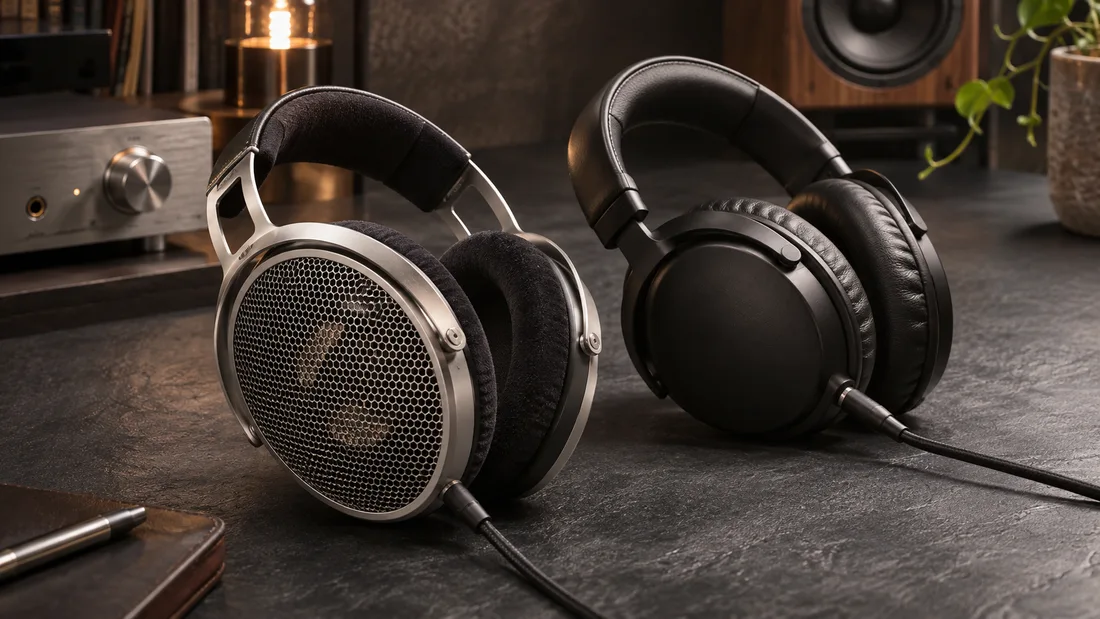
How enclosure design, isolation, leakage, fit and headphone tuning affect listening at home, on the move and in a studio.

Understand the limits of neural denoising, de-reverberation and spectral repair when restoring noisy recordings.
Understand how compressor settings alter the shape of vocals, bass, drums and buses without confusing increased loudness with better dynamics.
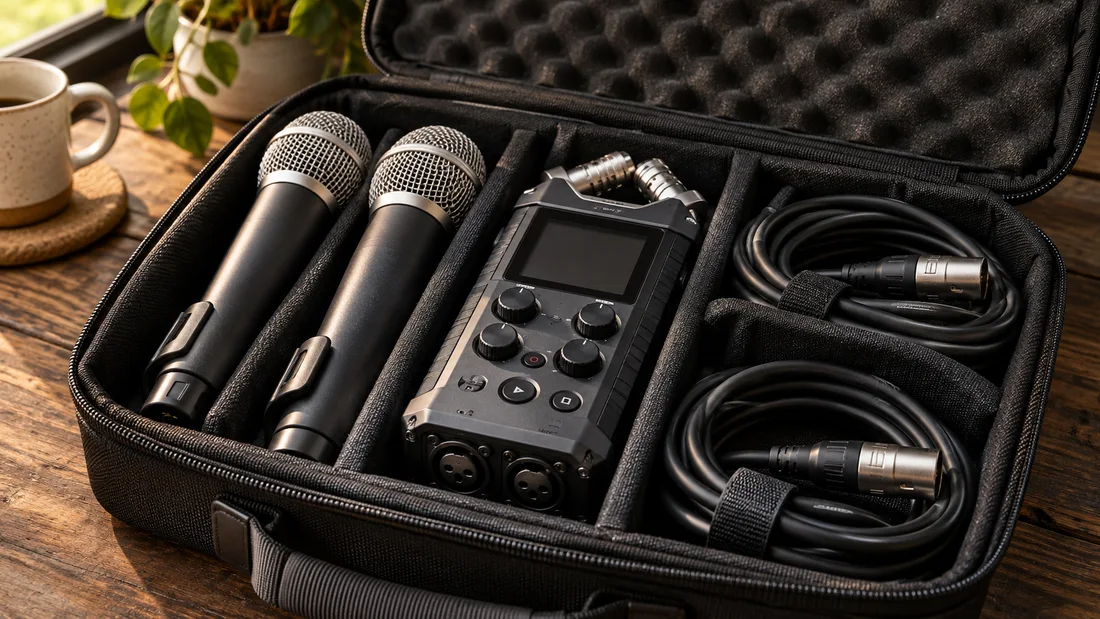
Choose a portable recorder, microphones, monitoring, power and practical accessories for dependable field podcast interviews.

Understand what plug-ins do, how they connect to a DAW, how processing order affects a mix and which compatibility details matter.

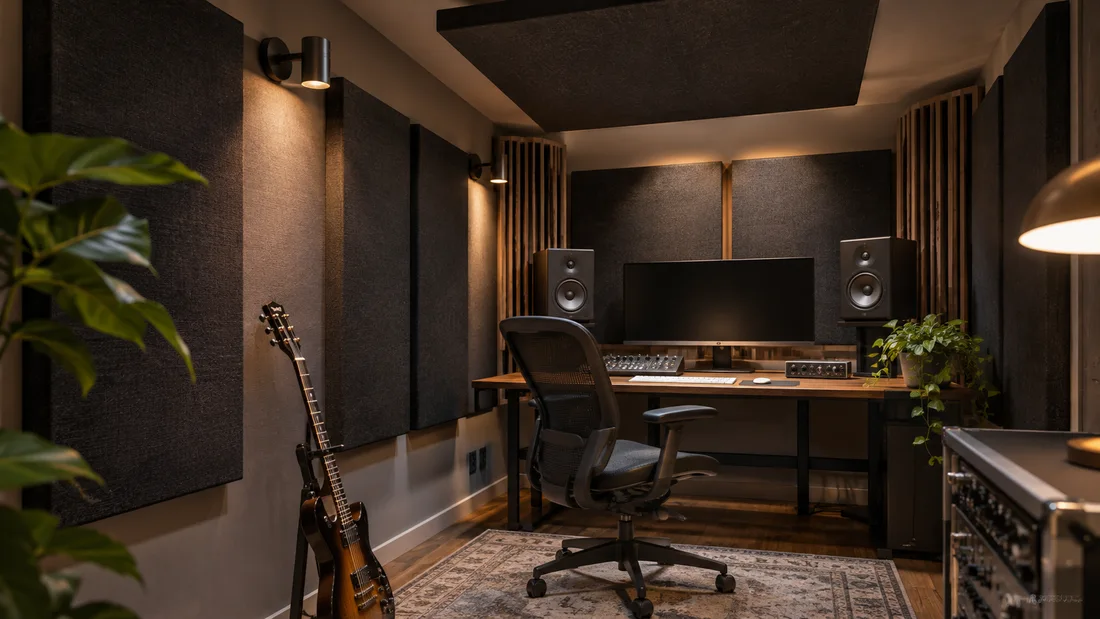
Plan acoustic treatment for a compact studio by understanding reflections, bass modes, absorber placement and the difference between treatment and sound isolation.

Choose a DAW by examining recording, editing, arrangement, routing and collaboration rather than comparing feature lists.

Understand the individual stages of a studio recording system, from microphone and preamplifier through conversion, monitoring and the digital audio workstation.

A practical guide to speaker spacing, toe-in, first reflections and the listening position in a domestic stereo system.

Learn to control microphone distance, plosives, breath, off-axis tone and level changes for a natural spoken-word podcast recording.

A listening-led approach to corrective and creative equalization, with practical ways to identify masking, resonance and tonal imbalance in a mix.

Compare moving-coil and condenser microphones through practical recording situations, from quiet instruments and vocals to loud guitar cabinets.